
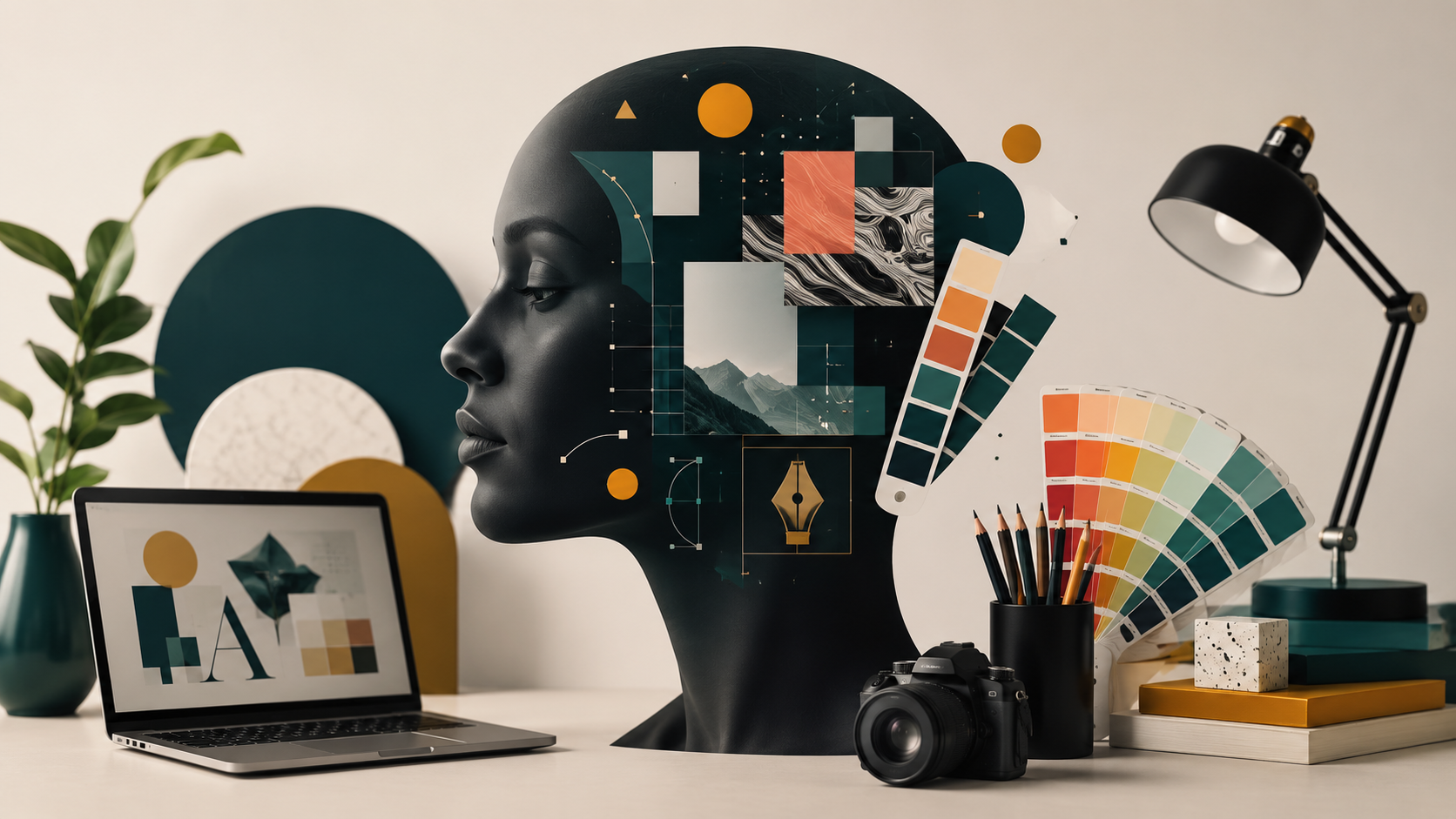
Graphic Design
The Language We Never Learned to Read: Why Graphic Design Matters More Than You Think
Every day, you make dozens of decisions based on graphic design without even realizing it. Graphic design is a silent language, and whether or not we can name its grammar, we all speak it fluently as an audience.
Graphic design makes meaning visible. It uses typography, color, imagery, layout and space to communicate clearly, build trust, guide attention and encourage action.
You trust a website because it looks clean. You buy a product because its packaging feels premium. You skip a flyer because the fonts clash and the colors fight for attention.
What Graphic Design Actually Is
Graphic design is often mistaken for decoration — making things “look nice.” In reality, it is a discipline of communication. At its core, graphic design is the practice of using visual elements like typography, color, imagery, layout and space to convey a message clearly and persuasively.
A good designer is not just choosing pretty colors. They are answering questions like:
- What should the viewer notice first?
- What emotion should this evoke?
- How do we guide the eye through information in the right order?
- Does this build trust, urgency, calm or excitement?
Design that “looks nice” but fails to communicate has failed at its actual job.
The Core Elements Every Designer Works With
Typography
Fonts carry tone before a single word is read. A serif typeface can feel traditional and trustworthy; a bold sans-serif can feel modern and confident. Typography also governs readability — line spacing, letter spacing and hierarchy determine whether text feels effortless or exhausting to read.
Color
Color triggers immediate psychological and emotional responses. Blue often signals trust and stability, which is common in banking and technology logos. Red creates urgency and can stimulate appetite, which is common in fast-food branding. Understanding color theory means understanding how to influence feeling, not just fill space.
Layout and Composition
Where things sit on a page is not arbitrary. Principles like visual hierarchy, alignment, whitespace and the rule of thirds help a design feel balanced rather than chaotic. Good layout tells the eye where to go first, second and third.
Imagery and Iconography
A well-chosen image or icon can communicate an idea faster than a sentence. Icons rely on shared visual shorthand — a magnifying glass means “search” and a trash can means “delete.” Breaking that shorthand confuses users.
Why Graphic Design Is a Business Necessity, Not a Luxury
Companies that invest in design are not just chasing aesthetics — they are investing in clarity, trust and conversion.
- First impressions are visual. People form an opinion about a website or brand in a fraction of a second, almost entirely based on visual design, long before they read a word of copy.
- Consistency builds recognition. Consistent use of logos, colors and type across platforms makes a brand instantly recognizable.
- Good design reduces friction. Whether it is a form, an app or a menu, thoughtful design reduces the mental effort required to understand and use something, directly affecting user satisfaction and business outcomes.
Common Mistakes in Graphic Design
Even well-intentioned designs can go wrong. Some of the most frequent pitfalls include:
- Too many fonts: using more than two or three typefaces creates visual noise and undermines professionalism.
- Poor contrast: text that is hard to read against its background fails at the most basic level of communication.
- Cluttered layouts: cramming in every piece of information at once instead of trusting whitespace to create focus.
- Inconsistent branding: shifting colors, fonts or logo usage across platforms erodes recognition and trust.
- Designing for yourself, not the audience: a design that reflects personal taste but ignores the target audience’s expectations and needs will underperform.
The Evolving Role of the Graphic Designer
Graphic design has expanded far beyond print. Today’s designers work across:
- Digital and UI/UX design: designing interfaces for apps and websites where usability is as important as beauty.
- Motion and interactive design: animated logos, transitions and micro-interactions that bring static brands to life.
- Branding and identity systems: building comprehensive visual languages that scale across every customer touchpoint.
- Social media and content design: fast-paced, platform-specific visual content built for scroll-stopping attention.
Tools have evolved too. While Adobe Creative Suite remains an industry staple, tools like Figma, Canva and AI-assisted design platforms have made design more collaborative and accessible than ever, lowering the barrier to entry while raising the standard for what good design looks like.
Final Thoughts
Graphic design is not about making things pretty — it is about making meaning visible. It is the bridge between an idea and the person who needs to understand it, feel it or act on it. The best design often goes unnoticed, not because it is not there, but because it works so well that it simply feels right.
Whether you are a business owner, a marketer or simply curious about why some brands feel more trustworthy than others, understanding the fundamentals of graphic design gives you a new lens for seeing the world — one where every color choice, font pairing and layout decision is a deliberate act of communication.